
dressing table mirror with lights
Understanding the 4% Foot Level A Guide to Accurate Measurements with a Ruler Precision in measurements is essential in various fields, from engineering and architecture to art and crafting. When working with a ruler, one common reference point that often arises is the 4% foot level. This term generally refers to a method of taking measurements that ensures accuracy, particularly when it comes to ensuring consistency across different scales or dimensions. In this article, we will explore the importance of the 4% foot level, how to measure effectively with a ruler, and share practical tips for achieving precision in your measurements. What is the 4% Foot Level? The concept of the 4% foot level is grounded in the idea of taking measurements from a standardized point. In practical terms, it often signifies that measurements should be made at a height that is representative or indicative of typical conditions. This is particularly relevant in fields such as geology, construction, and landscaping where elevation can significantly impact results. For example, when surveying land or assessing soil composition, measurements taken at a specific height (like 4% of the total foot or elevation) ensure that that data is reliable and reflects the general state of the area being examined. This standardization helps mitigate discrepancies that may arise due to variations in the measurement point's height or location. The Importance of Accurate Measurements Accurate measurements are fundamental across multiple disciplines. In engineering, even the slightest error can lead to structural failures or costly redesigns. In crafting, precise dimensions ensure that pieces fit together perfectly. The goal of achieving a 4% foot level is to help mitigate the risk of human error and variations in technique by adhering to a systematic approach to measurement. Moreover, in fields like real estate and landscaping, accurate measurements can affect everything from property appraisal to the geometry of outdoor spaces. A slight error in height or distance could drastically change the use or presentation of a space. Therefore, understanding how to attain and maintain the 4% foot level is crucial for professionals and hobbyists alike. How to Measure Accurately with a Ruler 4 foot level with ruler 1. Select the Right Ruler Depending on your project, using the right ruler is essential. For most construction projects, a standard 12 or 36-inch ruler works well. For fine detail work, a smaller, more precise ruler (like a caliper) may be necessary. 2. Positioning When measuring, ensure your ruler is placed flat against the surface you are measuring. This avoids potential errors due to angles or misalignment. 3. Consistent Point Always measure from the same point on the ruler (usually the zero mark). Avoid starting from arbitrary points as this can lead to inconsistent readings. 4. 4% Height Measurement If applicable, ensure that when measuring heights (for instance, in landscaping), you start at the 4% foot level for greater consistency. This means determining the baseline height and then measuring up from that point. 5. Double-Check Always measure twice or even thrice for assurance. This redundancy helps catch any potential mistakes, especially in intricate projects. 6. Use Additional Tools For larger measurements where a standard ruler is impractical, consider using measuring tapes, laser measurers, or digital calipers. These tools can provide more accurate and easier measurements for large distances. Conclusion The emphasis on maintaining a 4% foot level while measuring is an important practice that highlights the significance of standardization in measurement techniques. By applying appropriate methods and tools, individuals can ensure their work is precise and reliable. Whether you’re a professional in engineering or an enthusiast in crafting, understanding and implementing the concept of 4% foot level measurements can greatly improve the quality of your projects and outcomes. Ultimately, accurate measurements lay the foundation for successful endeavors, enabling us to create with confidence and precision.
about
dressing table mirror with lights
Metric Ring Gages Een Diepgaande Blik op Precisiegereedschap In de wereld van precisie-engineering en kwaliteitscontrole spelen meetinstrumenten een cruciale rol. Een van de meest gebruikte en waardevolle instrumenten binnen dit domein zijn metrische ringgages. Deze gages zijn ontworpen om de diameter van een cilindrisch voorwerp te meten en zijn essentieel voor het waarborgen van de kwaliteit en de precisie van mechanische onderdelen. Wat zijn Metrische Ringgages? Metrische ringgages zijn specifiek ontworpen meetinstrumenten die worden gebruikt om binnen- en buitendiameters van componenten te meten. Ze zijn vervaardigd in strikte overeenstemming met metrische normen, wat betekent dat ze zijn gemaakt volgens nauwkeurige specificaties en tolerantie-eisen. Deze gages zijn meestal gemaakt van hoogwaardig staal of andere duurzame materialen, zodat ze bestand zijn tegen slijtage en een lange levensduur hebben. Soorten Metrische Ringgages Er zijn verschillende soorten metrische ringgages, waaronder standaard gages, controle gages en kalibratie gages. Standaard gages worden gebruikt voor het meten van specifieke diameters en zijn essentieel voor het controleren van de maatvoering van onderdelen. Controle gages zijn ontworpen om te detecteren of een onderdeel aan bepaalde maat- en tolerantienormen voldoet. Kalibratie gages worden gebruikt om andere meetinstrumenten te kalibreren en zorgen ervoor dat alle meetapparatuur binnen dezelfde nauwkeurigheidscategorie valt. metric ring gages Toepassingen van Metrische Ringgages Metrische ringgages worden in verschillende industrieën toegepast. In de machinebouw zijn ze van essentieel belang voor het meten van schroefdraad, lagers en andere mechanische verbindingen. In de lucht- en ruimtevaartindustrie worden ze gebruikt om de precisie van onderdelen te waarborgen die cruciaal zijn voor de veiligheid van vliegtuigen. Ook in de automotive sector zijn deze gages onmisbaar voor het controleren van de afmetingen van motoronderdelen en transmissiesystemen. Voordelen van het Gebruik van Metrische Ringgages Het gebruik van metrische ringgages biedt tal van voordelen. Ten eerste, ze garanderen een hoge mate van precisie in metingen, wat van vitaal belang is in situaties waar kleine afwijkingen aanzienlijke gevolgen kunnen hebben. Daarnaast helpen ze bij het verminderen van fouten in de productieprocessen, waardoor de algehele efficiëntie verbetert. Door regelmatige kalibratie van andere meetinstrumenten met behulp van ringgages kunnen bedrijven ervoor zorgen dat hun kwaliteitscontroleprocessen consistent en betrouwbaar blijven. Conclusie Metrische ringgages zijn een onmisbaar onderdeel van de kwaliteitscontrole in verschillende industrieën. Hun rol in het waarborgen van de precisie en nauwkeurigheid van mechanische onderdelen is cruciaal voor het succes van de productieprocessen. Met de juiste kennis en toepassing kunnen bedrijven de mogelijkheden van deze gages maximaliseren, wat leidt tot verbeterde productkwaliteit en klanttevredenheid. Duidelijke aandacht voor de selectie, het onderhoud en de juiste toepassing van metrische ringgages zal uiteindelijk bijdragen aan een optimale werking van de productie en het handhaven van hoge kwaliteitsnormen.
-

High quality industrial productsagement

High quality industrial products
View Details -

Meet the diverse needs of customers

Meet the diverse needs of customers
View Details -

Strict quality control

Strict quality control
View Details -

Top raw materials

Top raw materials
View Details -

Trusted supplier

Trusted supplier
View Details
Our application
news and information

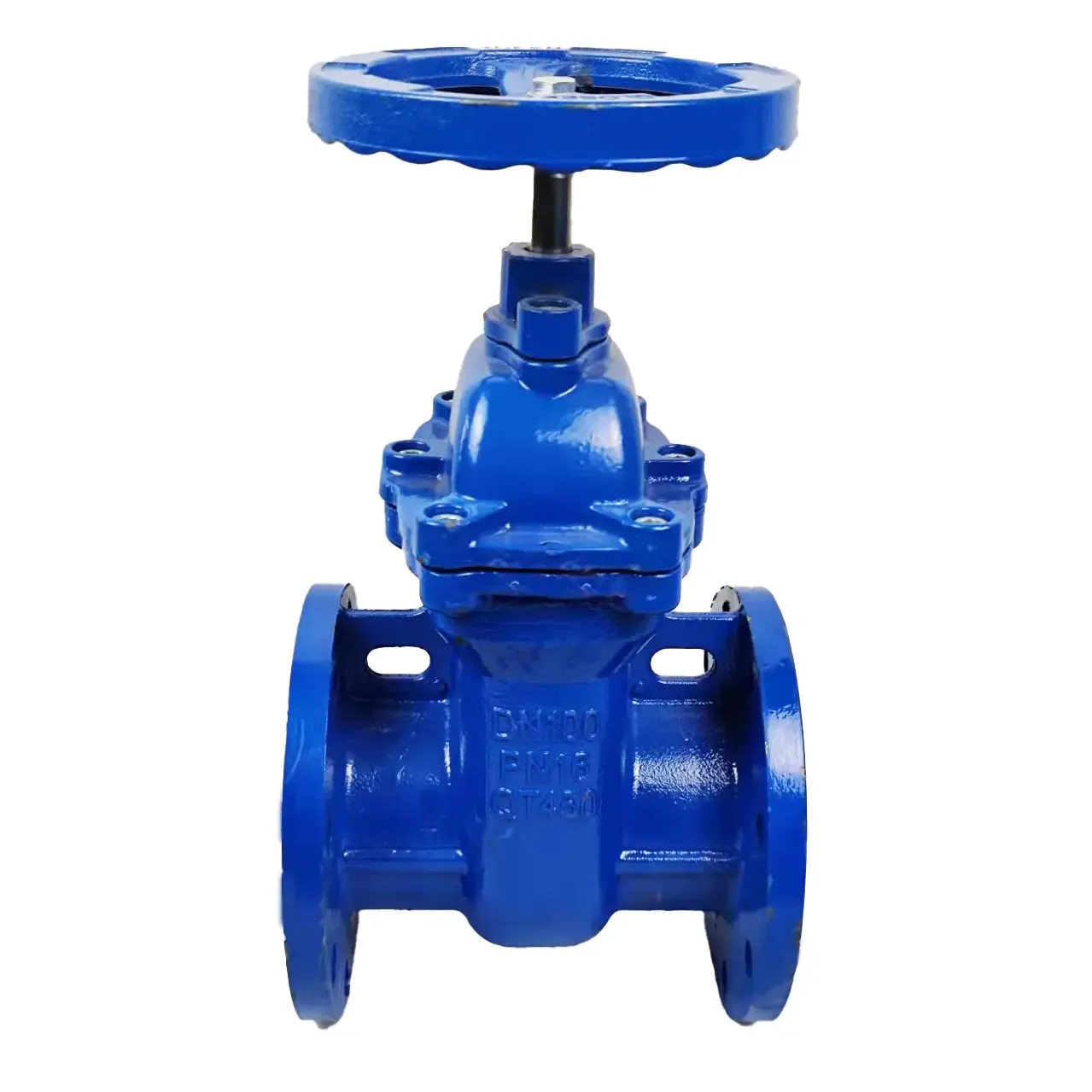
Water Control Valve for Efficient Shut-Off in Plumbing Systems
Understanding Water Shut Off Valves Importance and Functionality Water shut off valves are critical
Y Type Strainer Valve for Efficient Fluid Filtration and Flow Control Solutions
Understanding Y-Type Strainer Valves A Comprehensive Overview In the realm of fluid mechanics and pi

water main valve
Understanding the intricacies of water main valves is essential for both homeowners and professional
 English